
Hospitality
How to Brief a Hotel Photo and Video Shoot: A Practical Checklist
Most problems on a hotel shoot are decided before anyone arrives. This is the checklist we work through with properties before a photo or video production.
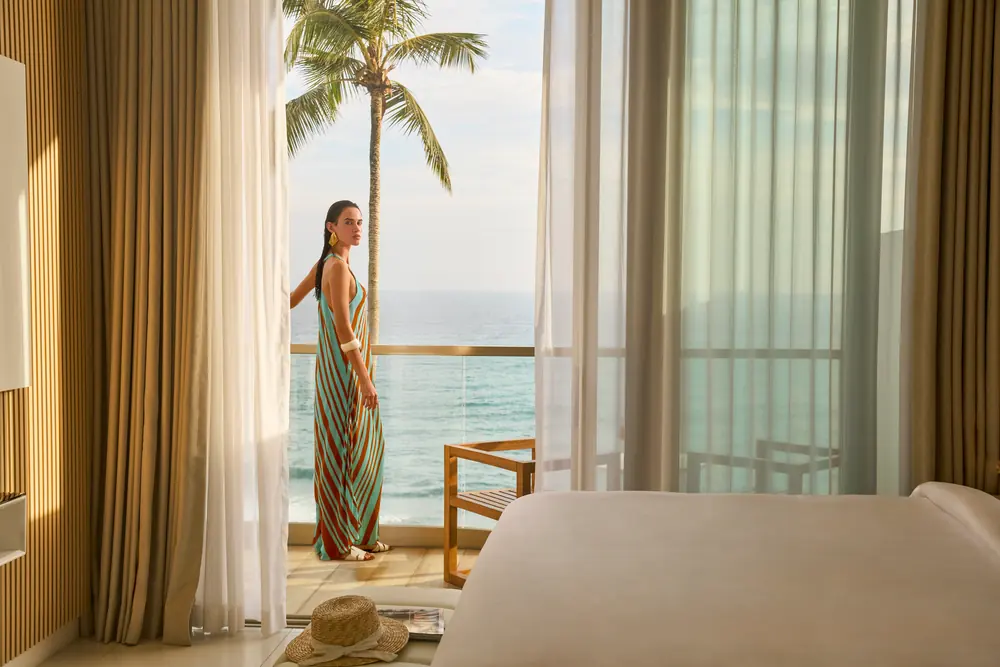
A good brief does not need to be long. It needs to answer the questions that otherwise get answered on the day, under pressure, by whoever is standing nearest. Work through the sections below with your operations, F&B and revenue colleagues before you send it to a production team, and the shoot will be calmer and the results more useful.
1. What the content is for
- The business goal: an opening, a renovation, a new outlet, a seasonal campaign, or simply replacing out-of-date images.
- Where it will run: website, OTA listings, Instagram and TikTok, paid social, sales decks, print, PR.
- Which guest you are trying to reach: families, couples, business travellers, residents for F&B.
- Two or three properties or brands whose imagery you admire, and what you like about it.
2. The shot list
- Every room category you sell separately, plus the signature suites.
- Each restaurant and bar, with the dishes and drinks to feature.
- Spa, pool, beach, gym, kids' club, meeting and event spaces.
- Arrival, lobby, exteriors and the view, including dusk and night if they sell the property.
- Lifestyle moments with people, and whether those are staff, models or real guests.
- Aerial coverage, if the location allows it. In the UAE, commercial drone filming needs a permitted operator and approval for the location.
Mark each item as essential or nice to have. On the day, light and access decide what fits, and a ranked list makes those choices easy.
3. Access and operations
- Which rooms are available, on which dates, and when housekeeping can have them ready.
- Expected occupancy, and which public areas will be busy at which hours.
- Outlet closing times and when the kitchen can plate for camera.
- Whether the spa or pool can be closed briefly, and who approves it.
- A named contact from operations who can make decisions during the shoot.
- Parking, loading, storage for equipment and a room for hair, make-up and wardrobe if needed.
4. People on camera
- Whether you need models, and the profiles that match your guests.
- Staff who will appear, with their consent and grooming standards.
- How guests in the background will be handled: avoided, or asked and released.
- Wardrobe guidance, especially for spa, pool and seasonal campaigns.
5. Brand standards and approvals
- Brand guidelines for photography and video, if your group has them.
- Who approves selects and edits, and whether a regional or global sign-off is needed.
- Music preferences and licensing for video.
- Anything that must never appear on camera.
6. Deliverables and usage
- Number of final images and videos, and their lengths and aspect ratios.
- Vertical versions for stories and Reels, planned at the shot-list stage rather than cropped later.
- Usage rights by channel and duration, agreed in writing before the shoot.
- The delivery date, and whether a priority selection is needed sooner for a listing or launch.
7. Timing
Build the schedule around light, not floors. Interiors suit the hours when daylight balances the room's own lighting, pools and terraces have one good hour, and exteriors look their best at dusk. A realistic schedule is usually shorter than expected but cannot be compressed further without losing quality.
Working with Sortie Media
We use this checklist with every property we film. If you are planning a shoot, see our hotel photography and hotel video production services, or send us your brief and we will tell you what is realistic for your dates.
Questions
Frequently Asked Questions
How far ahead should we brief a hotel shoot?
Allow several weeks. Room availability, outlet schedules, talent and any drone approvals all take time to line up, and a rushed brief usually means a compromised shot list.
Should photography and video be shot together?
Often, yes. It shares the access windows and disrupts the property once. It does need planning so the stills and video teams are not competing for the same light.
Do we need models?
Not for every shot, but rooms and outlets with people in them usually feel more inviting. Decide in the brief whether you will use models, staff or no people, because it changes the schedule and the approvals.