
Hospitality
Restaurant Social Media Marketing in Dubai: What Actually Works
The content that fills tables rather than collects likes, how a food shoot should actually run, and the channels most restaurants here neglect.
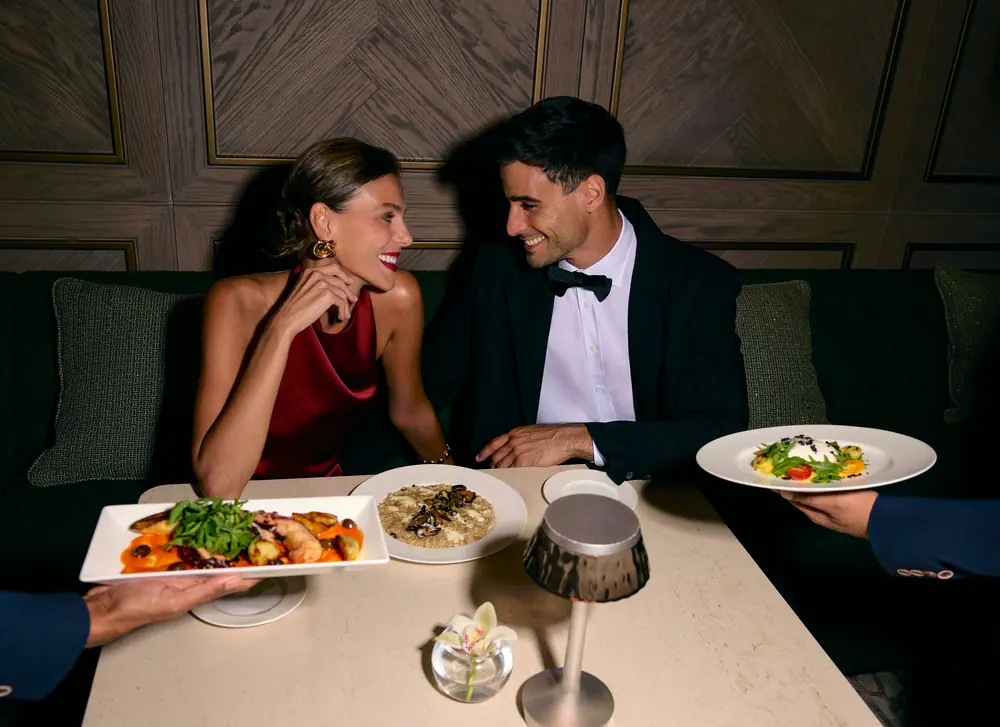
Dubai may be the most competitive restaurant market in the region, and it is one where the decision is made on a phone. Someone searches a cuisine, scrolls a few accounts, looks at whether the photos match what other people have posted, checks the reviews, and books. A restaurant with an empty or inconsistent account is quietly removed from the shortlist before anyone has tasted anything.
Restaurant social media is therefore not the same job as hotel social media, even though the two are constantly lumped together. This guide covers what genuinely works for restaurants here, drawn from producing content for venues in Dubai and restaurant groups across the UAE.
How restaurants differ from hotels
If you have read our guide to hotel social media marketing, the contrast is worth stating plainly.
- The audience is local and repeat. A hotel is selling to someone who visits once. A restaurant is selling to someone who could come back next week, which changes both the content and the posting rhythm.
- The purchase is small and fast. Nobody researches a dinner for three weeks. Content has to convert within a scroll, not build consideration over months.
- Demand is dish-level. People do not book “a restaurant”; they come for a specific thing they saw. One dish can carry a venue for a season.
- The room matters as much as the food. Especially in Dubai, where a great deal of dining is an occasion. The question in the viewer’s head is whether it looks like somewhere they want to be seen.
What actually performs
- Food in motion. The pour, the cut, the cheese pull, the steam. Static plated photography still has a role on the grid, but motion is what stops a scroll.
- The room during service. Full, lit, with people in it. Empty restaurants photograph beautifully and sell nothing — an empty dining room reads as an empty dining room.
- The people. The chef, the bartender, the person who has worked the pass for six years. Consistently the highest-performing content a restaurant has, and consistently the least shot.
- Arrival and setting. The entrance, the terrace, the view. What someone will see when they walk in, which is what they are really deciding about.
- Guest content. Reposted with permission, it carries a credibility produced content cannot manufacture — and it fills the gaps between shoots.
How a restaurant food shoot should run
Most disappointing food content is a planning failure rather than a camera one. A few practicalities that decide the result:
- Shoot before or between service, not during the rush. The kitchen cannot plate for a camera and feed a full room at the same time, and asking it to do both produces bad food and bad footage.
- Agree the dish list with the chef in advance. Which dishes, in what order, and who is plating them. A shoot that discovers its shot list on the day gets through a fraction of the work.
- Hot food has a short window. Minutes, not hours. The shot has to be set up before the plate leaves the pass, which is why lighting goes up first and the food comes last.
- Decide vertical at the start. Reels are framed at the shot-list stage, not cropped out of a landscape edit afterwards.
- Shoot the room while the light is right. Terraces and windows dictate the schedule; interiors can happen any time.
- Build a bank, not a post. One properly planned shoot day should cover weeks of posting. Restaurants that shoot for this week are permanently behind.
The channels restaurants neglect
Instagram takes the attention. For a restaurant, several other surfaces produce more bookings for the same amount of effort.
- Google Business Profile. Someone searching “Italian restaurant near me” sees this before they see your Instagram. Photos, opening hours, menu link and review replies all sit here, and it is frequently the most neglected asset a restaurant owns despite being the one with the clearest booking intent.
- Review replies. On Google and Tripadvisor, a considered reply from management is read by far more prospective guests than the review itself.
- Delivery platform imagery. If you are on delivery apps, that photography is doing commercial work every day and is usually the worst imagery the brand has anywhere.
- TikTok. Restaurant discovery in this market has genuinely moved here for younger diners, and the content that works is looser and less polished than the Instagram grid.
Working with creators in Dubai
Dubai has more food creators per restaurant than almost anywhere, and the standard arrangement — a free meal in exchange for a post — goes wrong in predictable ways.
- Brief it like a job. Agree the deliverables, the posting date and what the content must show. “Come and post something” produces something.
- Agree usage rights before the visit. If you want to run their content as a paid ad or use it on your own grid, that is a separate permission and it is far easier to obtain beforehand.
- Look at saves and comments, not follower count. A creator with a modest engaged local following will fill more tables than a large account whose audience is somewhere else entirely.
- Brief the floor team. A creator visit that the restaurant manager knows nothing about produces content of a bad experience.
The Dubai restaurant calendar
- Ramadan. Iftar and suhoor dominate F&B demand and need to be planned and shot well in advance. Tone across the account changes for the month.
- Brunch. A weekly institution here and a content format in its own right.
- Summer. Terraces close, the audience shifts to residents, and indoor rooms, offers and delivery carry the calendar.
- Peak season and the events calendar. New Year’s Eve, Dubai Shopping Festival, National Day and the exhibition season each pull specific demand worth shooting for rather than posting around.
What to measure
Follower count tells a restaurant owner almost nothing. The metrics that connect to covers:
- Saves and shares — a save is somebody planning to come.
- Direction requests and calls from Google Business Profile.
- Taps through to the reservation link, wherever bookings are taken.
- Which dishes drive the response, so the menu and the content inform each other.
- Covers on the nights you promoted, which is the only number the owner actually cares about.
Mistakes that recur
- Posting the menu instead of the experience. A flat lay of a dish with no context is a catalogue entry.
- Phone photos in low restaurant light. The one setting where phone cameras struggle most is exactly the one restaurants shoot in.
- Ignoring DMs. Reservation enquiries arrive there constantly and go elsewhere within the hour.
- Shooting once at opening. The launch content is used for two years and visibly ages while the menu changes underneath it.
- Inconsistent posting. A dormant account reads as a restaurant that might have closed.
Working with Sortie Media
Sortie Media produces content for restaurants and hospitality venues across the UAE, including Blume at Dubai Mall, alongside hotel F&B for properties such as Address Downtown, Andaz and W Dubai The Palm. Production and management sit in the same team, so the shoot is planned around what the calendar needs rather than handed over as a folder of files.
You can look through recent hospitality work, or read more about social media management, content creation and photography in Dubai.
Talking to us about your venue
Tell us the restaurant, what is running at the moment and what the next season looks like, and we will come back with a content plan and what it involves. If you would rather start with a look at the current channels, the free marketing audit does that first.
Email info@sortie.ae or message us directly.
Questions
Frequently Asked Questions
How often should a restaurant post on social media?
Consistency beats volume. Most Dubai restaurants sustain three to five feed or Reel posts a week with Stories daily, because Stories carry the specials, the events and the day-to-day activity that make an account look alive. The realistic ceiling is how much good content exists, which is why posting frequency should follow the shooting schedule rather than lead it.
How often does a restaurant need a food shoot?
More often than most do, and in smaller sessions. A single planned shoot day can cover several weeks of posting, so a regular rhythm keeps the grid current as the menu changes. The common failure is one large shoot at opening, used until it visibly no longer matches what is being served.
Is TikTok worth it for a restaurant in Dubai?
For most venues targeting residents, yes. Restaurant discovery among younger diners here has genuinely moved onto TikTok, and the content that works is looser and less produced than an Instagram grid. It should be shot with that in mind rather than filled with reposted Instagram assets.
Should we pay food creators or offer a free meal?
Both happen in this market. What matters more than which is that the arrangement is briefed — agreed deliverables, posting date and usage rights confirmed before the visit. An unpaid visit with no brief produces unpredictable content you may not even be allowed to reuse.
Can you shoot during normal service hours?
We shoot the room and the atmosphere during service, because a full restaurant is the point. Dish photography works better before or between services, when the kitchen can plate for the camera without slowing the pass. Most shoots combine the two across one day.
Do you work with restaurant groups and multiple venues?
Yes. Multi-venue work is usually more efficient, because shoot days and planning can be shared while each venue keeps its own voice and calendar. It does need deciding up front whether the venues share an account or run separately, since that changes both the production and the management.