
Hospitality
Hotel Social Media Marketing in Dubai: What Actually Works
The content mix that earns bookings rather than likes, how often a property needs to shoot, and the metrics worth reporting to an owner.
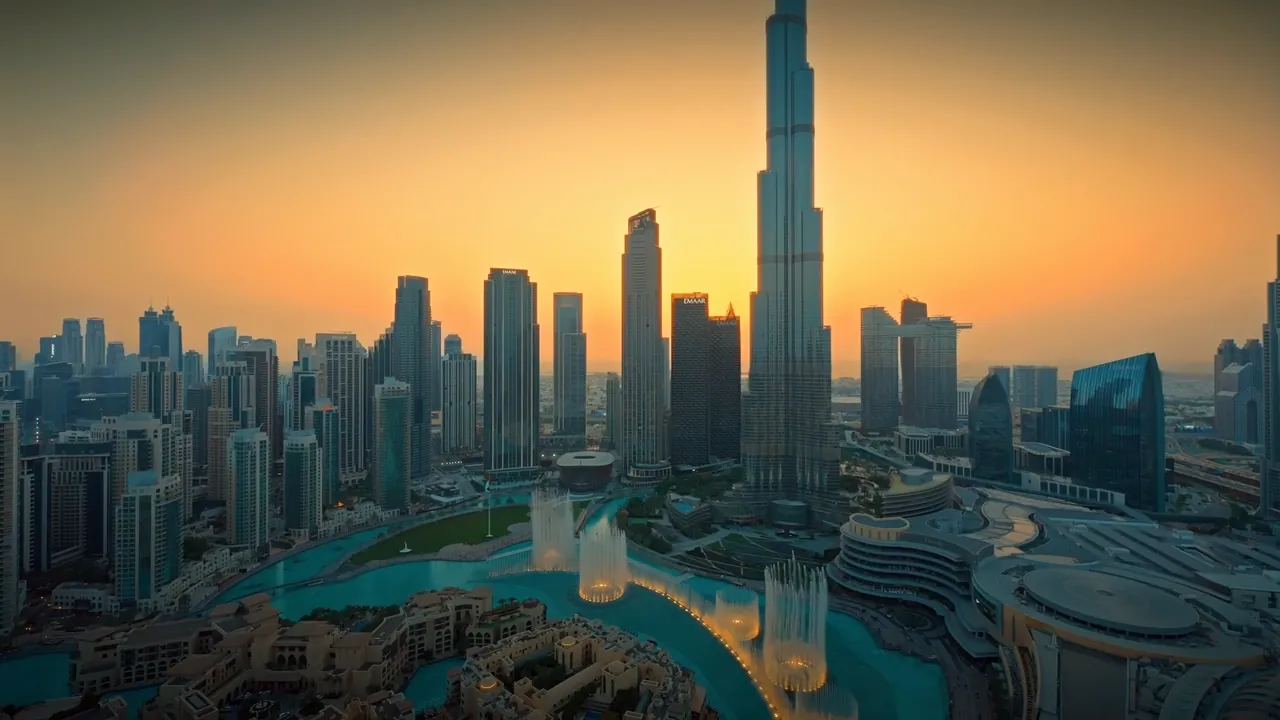
A hotel in Dubai is now chosen from a phone screen. The guest sees a Reel of the terrace at dusk, checks the grid to see whether the rooms look like the photographs, glances at recent Google reviews, and only then opens a booking site. By the time your website is involved, the decision is largely made.
That makes hotel social media a commercial function rather than a branding exercise — and it makes it different from social media for almost any other business. This guide covers what genuinely works for properties in this market, drawn from producing content for hotels and resorts across the UAE, Qatar, the Maldives, Sri Lanka and Thailand.
Why hotel social media is not like other social media
Four things make hospitality a different job, and they are the reason a generalist agency often struggles with a property.
- The inventory is perishable. An empty room tonight is revenue that cannot be recovered tomorrow. Content has to be planned against occupancy and seasonality, not against a content calendar invented in isolation.
- The product is an experience you cannot ship. Nobody can sample it before buying. The content is the sample, which is why production quality is not a vanity concern here the way it might be for a product brand.
- Several businesses share one account. Rooms, F&B, spa, events and weddings all want the grid. Most hotel accounts fail because they never decided the proportions, and the restaurant with the loudest marketing manager wins by default.
- Brand standards constrain everything. A flagged property under Marriott, Accor, IHG or Hyatt has brand guidelines governing tone, logo use, filters and often approval routes through a regional office. An agency that has never worked inside them will produce beautiful content that cannot be published.
The content mix that works for a Dubai property
There is no universal split, but the properties that perform tend to hold roughly to this shape rather than posting whatever was shot most recently.
- Rooms and suites. The thing being sold, and consistently under-posted because it is less photogenic than the restaurant. If someone cannot picture the room, they book the property that showed them one.
- Food and beverage. The highest-engagement content a hotel has, and the outlet most likely to drive local footfall rather than room nights. Worth its own strategy — often its own account.
- The setting. Pool, terrace, view, beach. In Dubai this is frequently the differentiator, and it is where aerial coverage earns its cost — a single licensed drone shot establishes a beachfront property faster than a paragraph ever will.
- People. Staff, chefs, the concierge who has been there eleven years. Hotels are nervous about this and it reliably outperforms the interiors.
- Guest and creator content. Reposted UGC fills gaps between shoots and carries a credibility that produced content cannot buy.
The Dubai calendar drives the content
A hotel content plan that ignores the local year was not written for this market. The rhythm matters more here than in most cities.
- Peak season, roughly November to March. Outdoor content shoots beautifully all day and occupancy is strong. This is when to build the content bank for the rest of the year.
- Ramadan. Iftar and suhoor programming dominates F&B and needs planning well in advance. Tone across the whole account changes, and content scheduled without regard for it reads badly.
- Summer, June to September. Outdoor filming is realistically limited to the ends of the day. Staycation offers, indoor spaces and spa carry the calendar, and the audience shifts towards UAE residents rather than international guests.
- Event peaks. New Year’s Eve, Dubai Shopping Festival, National Day and the exhibition calendar each pull specific demand and deserve dedicated content rather than a recycled post.
The channels hotels systematically neglect
Instagram gets the attention and the budget. For most properties, two other surfaces produce more measurable enquiries.
- Google Business Profile. It is the first thing a guest sees when they search the hotel by name, and for many properties it generates more direct actions — calls, directions, website clicks — than the Instagram account does. Photos go stale, posts go unpublished, and reviews go unanswered, all of which are visible to every prospective guest.
- Tripadvisor. Still consulted heavily by international guests booking Dubai, and a review reply from management is read by far more people than the review itself.
Neither is glamorous. Both are cheaper to fix than a campaign and tend to show a faster return.
How often a property actually needs to shoot
The common mistake is the annual photoshoot: one enormous production, a library that looks consistent for four months, and a grid that visibly ages for the following eight.
Regular, smaller shoots work better. A single well-planned shoot day at a hotel can produce enough short-form video and stills to cover several weeks of posting, provided it is planned around the calendar rather than around what is convenient on the day. Most properties on an ongoing arrangement settle somewhere between two and six shoot days a month depending on how many outlets are competing for the grid and how much paid media is running behind it.
Two practical notes. Shoot the ends of the day: a Dubai property looks its best in the hour after sunrise and the hour before sunset, and a shoot scheduled at 11am for everyone’s convenience produces content that looks like everyone else’s. And shoot vertical deliberately rather than cropping it out of landscape afterwards — the composition survives the difference.
What to measure, and what to stop reporting
Follower count is the metric most often presented to hotel ownership and the least useful one. A report worth the owner’s time covers:
- Saves and shares rather than likes. Somebody saving a Reel of your terrace is somebody considering a booking.
- Profile visits to website clicks. The step that connects social to revenue.
- Google Business Profile actions — calls, direction requests, website taps — which are as close to booking intent as this data gets.
- Direct booking share. The reason hotels invest in their own channels at all: every booking that arrives direct rather than through an OTA keeps the commission.
- Cost per result on paid, separated clearly from the agency fee.
Five mistakes that recur
- Posting the property instead of the experience. An empty, perfectly lit lobby says nothing. The same lobby with someone arriving says everything.
- Treating F&B and rooms as one audience. A Dubai resident following for the restaurant is not the same person as an international guest choosing a hotel.
- Ignoring the comments and messages. Hotel accounts receive genuine booking enquiries by DM. Unanswered, they go to a competitor within the hour.
- Creator partnerships with no brief and no usage rights. Agree deliverables, posting dates and whether the property can reuse the content in ads, before the stay.
- One shoot a year. Covered above, and still the single most common pattern.
How to think about the budget
Hotel scope varies too much for a standard rate to mean anything. What actually sets the figure is how many outlets are competing for coverage, how many shoot days a month the calendar needs, whether aerial work is involved, and whether paid campaigns are being managed alongside the organic channels. A single-outlet boutique property and a resort with four restaurants, a spa and a wedding business are not the same engagement.
Whatever the number, keep three things outside it when you compare: advertising spend, VAT, and third-party costs such as talent, locations and permits. If you are weighing up proposals, our guide to choosing a social media agency in Dubai sets out the questions to ask and the four numbers worth reducing every quotation to.
Working with Sortie Media
Sortie Media is a social media and content production agency in Dubai working almost entirely with hospitality. Clients include Marriott, The Ritz-Carlton, Raffles, Anantara, Radisson, Andaz, Fairmont Doha and W Dubai The Palm, alongside resorts in the Maldives, Sri Lanka, Thailand and Qatar, and restaurant groups across the UAE.
Production and management sit in the same team, and we hold DCAA and GCAA licensing for aerial work, so a property shoot covering rooms, outlets, the setting and aerial coverage runs as one production rather than three suppliers. You can see recent hospitality work, or read more about hotel video production, social media management and licensed drone filming.
Talking to us about your property
Send us the property, the outlets that need covering and what is running at the moment, and we will come back with a content plan and what it involves. If you would rather start with an assessment of the current channels, the free marketing audit looks at those first.
Email info@sortie.ae or message us directly.
Questions
Frequently Asked Questions
How often should a hotel post on social media?
Consistency matters more than volume. Most Dubai properties sustain three to five posts a week across feed and Reels, with Stories daily because they carry offers and day-to-day activity. The realistic limit is how much good content exists, which is why posting frequency should be decided after the shooting schedule, not before it.
Should a hotel restaurant have its own Instagram account?
Usually yes, if it trades meaningfully with local residents rather than only with in-house guests. The audiences want different things and the posting rhythm is different. The cost is that a second account needs its own content and its own community management, so it should be a decision rather than a drift.
Does social media actually drive hotel bookings?
It drives consideration reliably and direct bookings measurably, though rarely in a single click — guests discover on social and book later, often by name search. The honest way to track it is the chain from profile visits to website clicks, alongside Google Business Profile actions and direct booking share, rather than attributing bookings to individual posts.
How do you work within hotel brand guidelines?
We ask for the brand book and the approval route before the first shoot rather than after the first rejection. For flagged properties that usually means confirming tone, logo treatment, grading and which approvals run through the regional office. It is faster to build content inside those constraints than to rework it.
Do you handle drone filming for hotels in Dubai?
Yes. We hold DCAA and GCAA licensing and coordinate the applicable approvals for aerial filming. All drone operations remain subject to authority approval, and requirements, government fees and processing times depend on the location and the filming date — a beachfront resort and a Downtown tower are not the same application. We confirm what a specific site involves before it is scheduled.
Can you work with hotels outside Dubai?
Yes. Alongside UAE properties we have produced hospitality content in Qatar, the Maldives, Sri Lanka, Thailand and Türkiye. Travel, accommodation and local filming permissions are scoped into the quotation for work outside the UAE, since requirements differ by country and by property.